
Botox for Hyperhidrosis: A Medical Treatment for Excessive Sweating
Updated: Feb 9

When Sweating Becomes a Daily Concern
Sweating is something most people rarely think about—until it starts to interfere with everyday life. For individuals living with hyperhidrosis, excessive sweating can be unpredictable, persistent, and difficult to manage. It may happen during routine activities, in cool environments, or even while resting. Over time, this can lead to frustration, embarrassment, and a sense of lost control over one’s body.
Many patients with hyperhidrosis describe planning their day around sweat: choosing dark clothing, carrying extra shirts, avoiding handshakes, or declining social invitations. While sweating itself is harmless, the emotional and practical consequences can be significant. When traditional solutions like antiperspirants fail, patients often begin searching for an effective excessive sweating treatment. One of the most reliable medical options available today is Botox for hyperhidrosis.
Understanding Hyperhidrosis: Why Excessive Sweating Happens
Hyperhidrosis is a medical condition in which the sweat glands are overactive. Instead of responding only to heat or physical exertion, the glands receive excessive nerve signals that trigger sweating without an appropriate stimulus.
There are two main forms of hyperhidrosis:
Primary focal hyperhidrosis, which typically affects specific areas such as the underarms, palms, soles, or face and often begins earlier in life.
Secondary hyperhidrosis, which may be linked to underlying medical conditions or medications and tends to affect larger areas of the body.
In primary hyperhidrosis, the sweat glands themselves are normal. The issue lies in the communication between the nerves and the glands, which is why treatments that interrupt this signaling—such as Botox—can be highly effective.

Why Excessive Sweating Should Not Be Ignored
Although hyperhidrosis is not dangerous, it can have a profound impact on quality of life. Patients often report that excessive sweating affects:
Professional confidence, especially in client-facing roles
Social interactions and intimacy
Physical comfort and skin health
Mental well-being, including anxiety and self-consciousness
In some cases, constant moisture can also lead to skin irritation or infections. Recognizing hyperhidrosis as a medical condition—rather than a cosmetic inconvenience—is an important step toward finding effective treatment.
Treatment for Excessive Sweating: When to Seek Medical Help
Occasional sweating is normal, especially during exercise, warm weather, or stressful situations. However, excessive sweating should be evaluated medically when it begins to interfere with daily life or feels disproportionate to the situation. Many people live with hyperhidrosis for years before realizing that effective medical treatments are available.
It may be time to seek medical care if sweating occurs regularly without clear triggers, soaks through clothing, or affects specific areas such as the underarms, hands, feet, or face. Other signs include avoiding social interactions due to sweating, difficulty performing work tasks, or developing skin irritation and infections from constant moisture.

A medical consultation is also important to rule out secondary causes of excessive sweating, such as hormonal imbalances, medications, or underlying health conditions. Identifying whether hyperhidrosis is primary or secondary helps ensure the most appropriate treatment plan.
Early evaluation can prevent unnecessary discomfort and emotional stress. Treatments like Botox for hyperhidrosis are most effective when excessive sweating is recognized as a medical condition rather than something to simply tolerate or manage alone.
How Botox Treatment for Excessive Sweating (Hyperhidrosis) Works
Botulinum toxin, commonly referred to as Botox, works by temporarily blocking the nerve signals responsible for activating sweat glands. When injected into specific areas of the skin, Botox prevents the release of acetylcholine, the chemical messenger that tells sweat glands to produce sweat.
This means that Botox for hyperhidrosis targets the source of excessive sweating rather than simply masking it. Importantly, Botox does not affect the entire body. Sweating continues normally in untreated areas, allowing the body to regulate temperature safely.
The American Academy of Dermatology recognizes Botox as a well-established treatment for hyperhidrosis, particularly for excessive underarm sweating.
Common Treatment Areas for Botox Hyperhidrosis Therapy
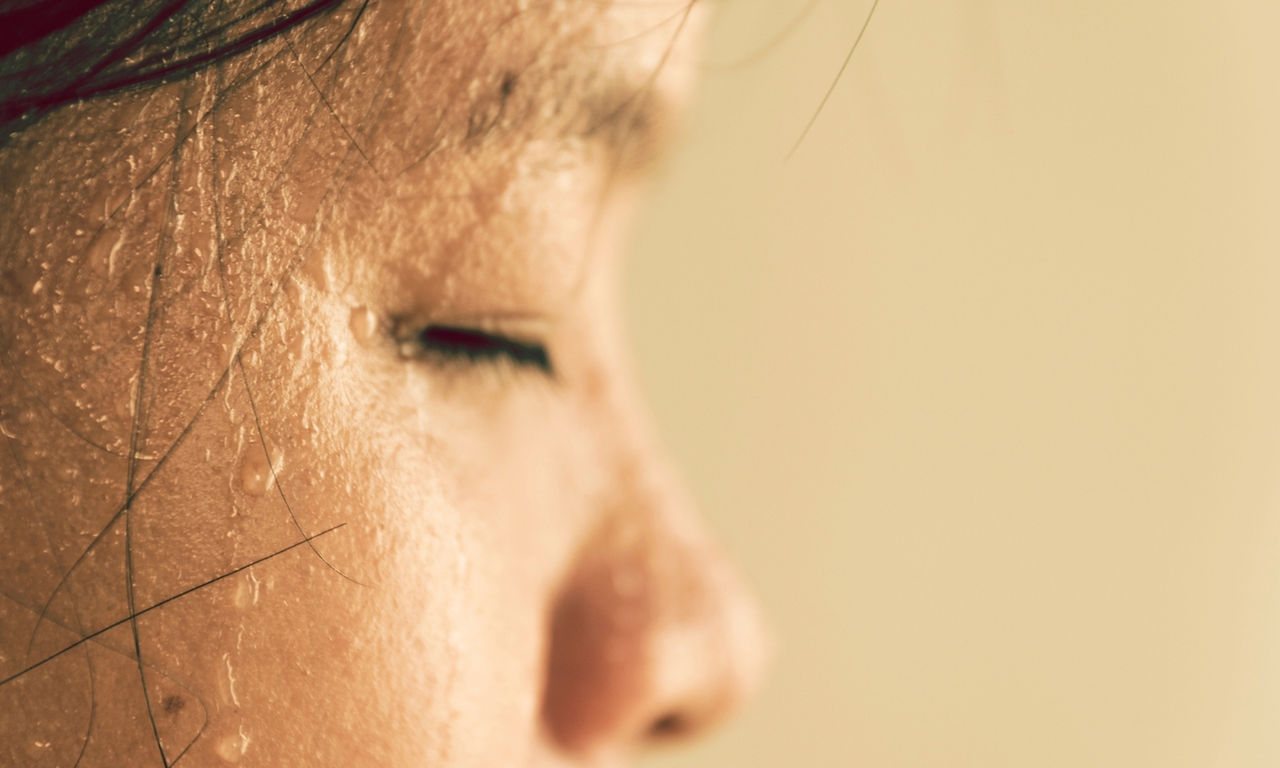


Excess sweating of Underarms (Axillary Hyperhidrosis)
Botox for underarm sweating is the most common use of this treatment. In the United States, botulinum toxin (Botox) is FDA-approved for severe primary axillary hyperhidrosis (underarm sweating) and works by temporarily blocking the nerve signals that activate sweat glands. Patients often experience a dramatic reduction in sweat production, making daily activities far more comfortable.
Excess sweating of Hands (Palmar Hyperhidrosis)
Excessive sweating of the hands can interfere with work, social interactions, and fine motor tasks. Botox can help reduce sweating, although treatment requires careful technique.
Excess sweating of Feet (Plantar Hyperhidrosis)
Sweaty feet can lead to discomfort, odor, and skin issues. Botox may be considered for patients with severe symptoms that do not respond to other treatments.
Excess sweating of Face and Scalp
In select cases, Botox may be used to manage excessive sweating of the forehead or scalp, which can be particularly distressing.
A thorough consultation helps determine which areas are appropriate for treatment and what results can realistically be expected.
What a Session of Botox Treatment for Excessive Sweating Looks Like
Botox hyperhidrosis treatment is performed in-office and usually takes 20 to 30 minutes, depending on the area treated. The procedure involves a series of small injections placed just beneath the skin.
Most patients tolerate the treatment well. Cooling techniques or topical numbing agents may be used to minimize discomfort. After treatment, patients can typically return to normal activities right away.

Recovery and Results: What Patients Notice Over Time
One of the reasons Botox is so popular for hyperhidrosis is its minimal downtime. Mild redness, swelling, or tenderness at injection sites may occur but usually resolves within a short time.
Patients often notice:
• Reduced sweating within 3 to 7 days
• Maximum effect within 1 to 2 weeks
• Results lasting approximately 4 to 6 months
As the effects gradually wear off, sweating slowly returns, at which point repeat treatment can be scheduled.
Who Is a Good Candidate for Botox Treatment for Excessive Sweating?
Botox may be a suitable option for individuals who:
• Experience excessive sweating that disrupts daily life
• Have not found relief with antiperspirants or topical treatments
• Prefer a non-surgical, localized solution
• Are in good overall health
A medical consultation is essential to confirm the diagnosis and ensure the treatment plan is appropriate.

Safety, Side Effects, and Long-Term Use
Botox has been used for decades in both medical and aesthetic applications. When administered by trained professionals, it has a strong safety profile. Side effects are generally mild and temporary, such as localized bruising or soreness.
It is important to understand that Botox is not permanent. Ongoing treatment is required to maintain results, and this should be factored into long-term planning.
How Botox Compares to Other Hyperhidrosis Treatments
Patients often explore multiple options before deciding on Botox. Alternatives may include:
Prescription-strength antiperspirants (often aluminum chloride–based; commonly used for underarms)
Oral medications (anticholinergics such as glycopyrrolate or oxybutynin; may reduce sweating but can cause systemic side effects)
Iontophoresis (a device-based treatment most often used for hands and feet)
Surgical procedures (in select cases, endoscopic thoracic sympathectomy—ETS—may be discussed, with important trade-offs)
Botox offers an effective middle ground: targeted, non-surgical, and without the systemic risks of oral medications or the invasiveness of surgery.

Frequently Asked Questions on the Botox Treatment for Excessive Sweating
How effective is Botox for hyperhidrosis?
Most patients experience a significant reduction in sweating, particularly for underarm hyperhidrosis.
Is Botox treatment painful?
Discomfort is usually mild. Most patients tolerate injections well, especially with numbing or cooling techniques.
How many treatments will I need?
Botox is temporary. Most patients repeat treatment every 4 to 6 months to maintain results.
Can Botox completely stop sweating?
Botox significantly reduces sweating but does not eliminate it entirely. Normal body temperature regulation is preserved.
Is Botox safe to use long term?
Yes. Long-term use is considered safe when administered appropriately and monitored by a qualified provider.
Can Botox be combined with other treatments?
In some cases, Botox may be part of a broader treatment plan depending on symptom severity and patient goals.
Conclusion: Regaining Comfort and Confidence
Living with hyperhidrosis can be exhausting, but effective treatment is available. Botox for hyperhidrosis offers a reliable, non-surgical solution that can dramatically reduce excessive sweating and improve quality of life.
At Dr. T Aesthetics in London, ON, we provide Botox treatment for hyperhidrosis with a focus on comfort, precision, and long-term symptom management. If excessive sweating is affecting your daily life, book a consultation to explore whether Botox is right for you.
References
American Academy of Dermatology – Hyperhidrosis Treatment Guidelines
International Hyperhidrosis Society
PubMed – Botulinum Toxin for the Treatment of Hyperhidrosis

Comments