
What Is NeoGen PSR? A Guide to Nitrogen Plasma Skin Rejuvenation
With so many skin treatments available, it is not always easy to understand what each one does. Microneedling, lasers, chemical peels, injectables, and plasma treatments may all be used to improve the appearance of the skin, but they work in different ways and are not suitable for every concern.
NeoGen PSR, sometimes called NeoGen Plasma, is a non-surgical treatment that uses nitrogen plasma energy to support the skin’s natural renewal process. It may be considered for concerns such as fine lines, wrinkles, loose or crepey-looking skin, uneven texture, sun-related skin changes, certain acne scars, acne vulgaris, atopic eczema, actinic and seborrheic keratoses, rosacea, viral warts, and nail fungus.
Although the name may sound technical, the basic idea is relatively straightforward: the device delivers carefully controlled heat to the skin, creating a response that encourages renewal and collagen remodelling. It also has antibacterial and antiviral properties.
This guide explains how NeoGen PSR works, what it may help improve, and what treatment and recovery can look like.
What Is NeoGen PSR?
PSR stands for Plasma Skin Regeneration.
NeoGen PSR uses medical-grade nitrogen gas, which the device converts into plasma, an energized form of gas. The handpiece then delivers short, controlled pulses of heat to the treatment area.
NeoGen PSR is not a laser, and it does not use needles. Instead, it uses nitrogen plasma energy to create a controlled effect at the surface of the skin and in the tissue below it.
The intensity of treatment can be adjusted. This means NeoGen PSR may be used as a lower-energy treatment with a shorter recovery period or as a more intensive treatment when a stronger skin-renewal response is appropriate.
How Does Nitrogen Plasma Skin Regeneration Work?
NeoGen PSR works by delivering controlled thermal energy to the skin. This thermal energy creates a planned treatment response rather than simply warming the surface.
One way to understand the process is to think of it as giving the skin a carefully controlled signal to begin repairing and renewing itself.
After the energy is delivered, the treated outer layer of skin initially remains in place. It can act as a temporary protective covering while the skin underneath begins to recover. Depending on the strength of the treatment, the surface may later become dry, look darker or “bronzed,” and begin to flake or peel.
Below the surface, the treatment is intended to support the remodelling of collagen and elastin.
Collagen helps give the skin structure and firmness, while elastin helps it stretch and return to its normal shape. The body naturally produces less of these important proteins as we age. Sun exposure and other environmental factors can also contribute to their breakdown.
By encouraging a controlled renewal response, NeoGen PSR may gradually improve the way the skin looks and feels. Because collagen remodelling takes time, the full result does not usually appear immediately after treatment.
What Skin Concerns May NeoGen PSR Address?
NeoGen PSR can be adjusted for different treatment goals. A treatment plan may focus on one concern or several related concerns.
Fine Lines and Wrinkles
NeoGen PSR may help soften the appearance of fine lines and wrinkles by supporting collagen remodelling.
It may be considered for facial lines, including lines around the eyes, as well as wrinkles in other appropriate treatment areas. The aim is generally to create gradual improvement rather than to make the skin look dramatically different or “frozen.”
Uneven or Rough Skin Texture
Age, sun exposure, acne, and the natural slowing of skin renewal can leave the surface feeling rough or looking uneven.
As the treated skin recovers and renews, NeoGen PSR may help create a smoother and more refined appearance. The amount of improvement depends on the starting condition of the skin and the intensity of the treatment.
Dull or Sun-Damaged Skin
Long-term sun exposure can contribute to roughness, uneven tone, fine lines, and other visible signs of skin ageing.
NeoGen PSR may be considered as part of a treatment plan for skin that looks dull, tired, or affected by sun exposure. However, suspicious spots or changing skin lesions should always be medically assessed rather than treated as cosmetic concerns.
Skin Laxity
As collagen and elastin levels change with age, the skin may begin to look looser or less firm. This may be especially noticeable around areas such as the cheeks, jawline, neck, or eyes.
NeoGen PSR may provide a gradual firming effect for appropriately selected patients with mild-to-moderate skin laxity. It is not a substitute for surgery and cannot create the same result as a surgical lifting procedure.
Acne Scars
Acne scars can change both the surface and deeper structure of the skin. NeoGen PSR may help remodel the treated tissue and improve the appearance and texture of certain acne scars.
However, not every acne scar is the same. Some scars are shallow and rolling, while others are narrow, deep, raised, or associated with changes in pigmentation. Different types of scars may respond differently and may require different treatments.
For some patients, NeoGen PSR may be used on its own. For others, a combination plan involving treatments such as microneedling, PLEXR, or another medically appropriate option may make more sense.
Active Acne
Low-energy nitrogen plasma may sometimes be considered as part of a broader treatment plan for selected patients with active acne. NeoGen PSR has antibacterial and antimicrobial effects.
Acne can be influenced by inflammation, hormones, medications, skincare products, and other factors. It should not be treated as only a surface-level cosmetic problem.
NeoGen PSR should therefore not be presented as a universal cure or a stand-alone treatment for every person with active acne.
Actinic Keratosis
Actinic keratoses are rough, scaly growths caused by cumulative ultraviolet exposure. They are considered precancerous because some can develop into squamous cell carcinoma.
In the United States, the NeoGen PSR System with the 5 mm nozzle is FDA-cleared for the treatment of actinic keratosis. Any suspected lesion should be medically diagnosed before treatment; a changing, bleeding, or otherwise suspicious lesion may require biopsy or a different treatment approach.
Seborrheic Keratosis
Seborrheic keratoses are common, non-cancerous skin growths that may look waxy, raised, or ‘stuck on.’
In the United States, the NeoGen PSR System with the 5 mm nozzle is FDA-cleared for the treatment of seborrheic keratosis. Because these growths can sometimes resemble other lesions, including skin cancer, the diagnosis should be confirmed before treatment.
Viral Warts
Viral warts are benign skin growths caused by infection with human papillomavirus (HPV).
Viral papillomata are included among the FDA-cleared indications for the NeoGen PSR System with the 5 mm nozzle. Treatment suitability depends on the type and location of the wart, so the lesion should be medically assessed before a plan is recommended.
Why Does the Treatment Intensity Matter?
NeoGen PSR can be performed at different energy levels. The selected level affects both the strength of the skin response and the expected recovery period.
A lower-energy treatment may cause less visible peeling and may be performed as part of a series. A higher-energy treatment creates a stronger response and may involve more redness, bronzing, peeling, and downtime.
The right energy level depends on:
The concern being treated
The location and size of the treatment area
The condition, Fitzpatrick skin type, and sensitivity of the skin
Medical and treatment history
The risk of unwanted pigmentation changes
The patient’s treatment goals
The amount of downtime the patient can reasonably accommodate
For some patients, a gradual series of lower-energy treatments may be more appropriate than one intensive procedure.
What Happens During a NeoGen PSR Appointment?
Before treatment, your skin and relevant medical history should be assessed. This is an opportunity to discuss what you would like to improve, what results may be realistic, and how much recovery time you can manage.
You may also receive instructions about products or activities to avoid before your appointment.
On the day of treatment, the skin is cleansed and prepared. A topical numbing cream may be used depending on the area being treated and the planned energy level.
The NeoGen handpiece is then moved across the selected area while controlled pulses of nitrogen plasma energy are delivered. Patients may feel warmth, heat, or a brief prickling sensation. The experience can vary according to the treatment area, energy level, and individual sensitivity.
Treatment time depends on the size and number of areas being treated. Your practitioner should explain what to expect before beginning the procedure.
What Is Recovery Like?
Recovery varies considerably because NeoGen PSR is not performed at one standard intensity.
After a lower-energy treatment, the skin may feel warm or sensitive and look mildly red. There is no downtime with the low-energy treatment.
A more intensive treatment may cause greater redness, swelling, bronzing, and visible peeling. The skin may temporarily look darker before the treated surface begins to shed.
These are general estimates. They should not be treated as a guaranteed recovery schedule. Healing can differ according to the treatment settings, area treated, aftercare, and individual skin response.
It is also helpful to distinguish between medical recovery and social downtime. You may feel well enough to continue many normal activities but still have redness, bronzing, or peeling that you would prefer not to have during work, social events, or photographs.
If you are preparing for a wedding, vacation, important meeting, or another special event, discuss the timing with your practitioner before booking treatment.
How Should You Care for Your Skin After Treatment?
Following aftercare instructions is an important part of the treatment process.
You may be advised to:
Use only recommended recovery products and begin using a gentle cleanser after the third day.
Keep the skin properly moisturized.
Apply broad-spectrum or mineral sunscreen as directed.
Avoid unnecessary sun exposure.
Avoid picking, scratching, or pulling at peeling skin.
Temporarily stop retinoids, exfoliating acids, scrubs, and other irritating products.
Avoid intense exercise, swimming, saunas, or excessive heat for the recommended period.
Wait before applying makeup if instructed to do so.
The outer skin should be allowed to shed naturally. Picking or removing it too early may interfere with healing and increase the possibility of irritation, pigmentation changes, or scarring.
Contact the clinic if you develop symptoms that are unexpected, severe, or becoming worse rather than better.
When Will Results Appear?
Some changes may become visible once the initial redness and peeling have settled. However, collagen remodelling takes place gradually, so improvement may continue to develop over several weeks or up to 12 months.
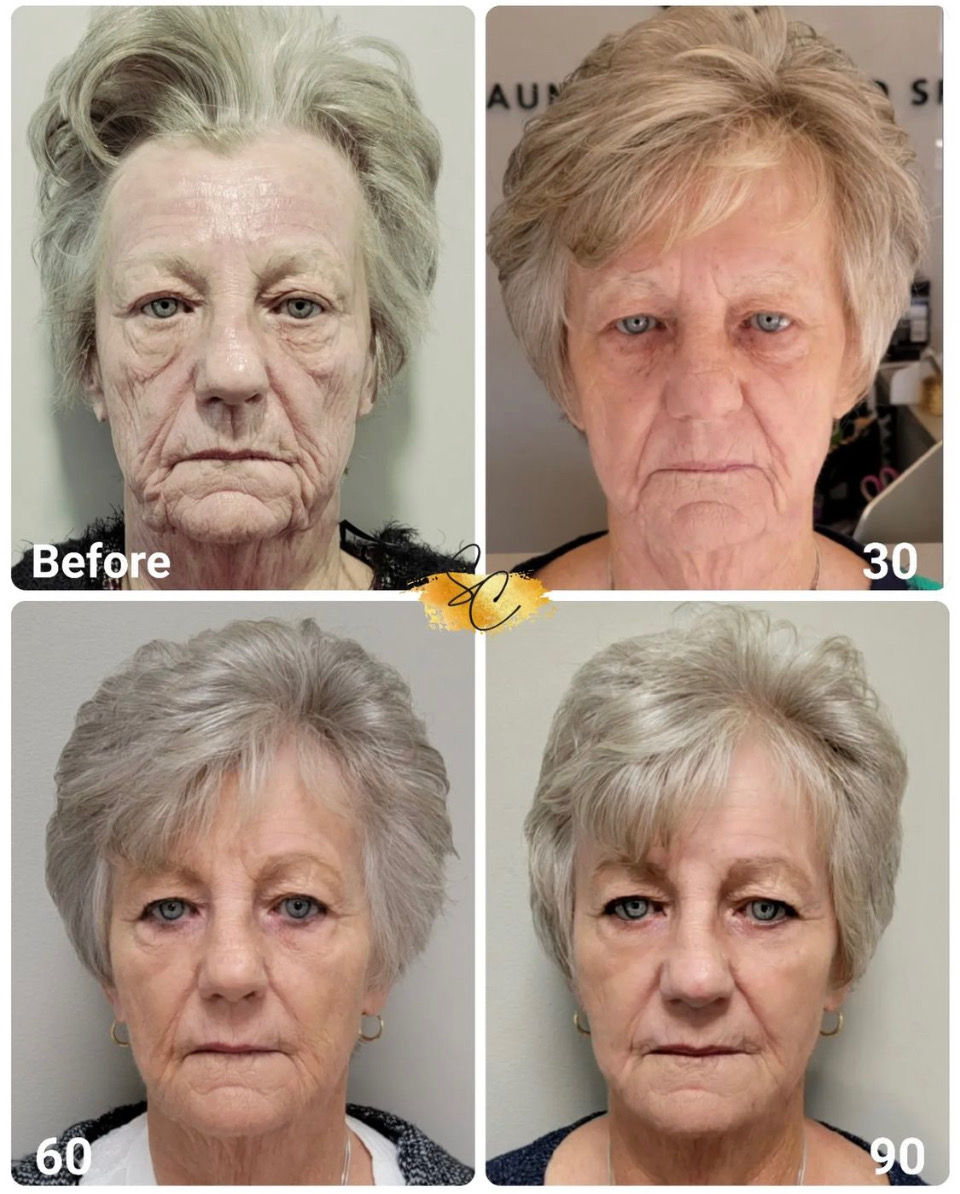
Depending on the treatment goal, patients may notice changes in:
Skin smoothness and texture
The appearance of fine lines
Overall firmness
The visibility of certain acne scars
The general freshness or evenness of the skin
Results vary from person to person. Age, skin condition, treatment area, treatment intensity, healing response, sun exposure, skincare routine, and lifestyle can all influence the outcome.
How Many Treatments Will I Need?
Some patients may receive a series of three lower-energy sessions. Others may be offered a single, more intensive high-energy treatment with a longer recovery period. The appropriate number and intensity of treatments depend on the concern being addressed and the patient’s response.
Maintenance treatments may also be discussed because the skin continues to age after any rejuvenation procedure. NeoGen PSR can support improvement, but it cannot permanently stop natural ageing, sun exposure, or future changes in the skin.
Who May Be a Suitable Candidate?
NeoGen PSR may be considered for anyone seeking treatment for concerns such as wrinkles, uneven texture, mild-to-moderate skin laxity, sun-related skin changes, acne vulgaris, certain acne scars, rosacea, nail fungus, atopic dermatitis, and keratosis.
However, suitability cannot be determined from a list of concerns or photographs alone.
An assessment should consider:
Medical history and current medications
Active skin conditions or infections
Previous cosmetic procedures
History of difficult healing or abnormal scarring
Previous pigmentation changes
Current skincare products
Treatment goals and expectations
Ability to follow aftercare instructions
Willingness to accommodate the expected downtime
Treatment may need to be postponed or avoided in certain situations. An Initial Assessment Session allows these factors to be reviewed before a treatment plan is recommended.
What Are the Possible Side Effects and Limitations?
Expected temporary effects may include redness, warmth, swelling, sensitivity, dryness, itching, bronzing, flaking, or peeling.
Less common complications can include prolonged redness, unwanted changes in skin colour, delayed healing, infection, or scarring. The level of risk may vary according to the treatment intensity, treatment area, skin characteristics, aftercare, and medical history.
NeoGen PSR also has practical limitations. It cannot stop the natural ageing process, remove every scar, or create the same result as surgery.
These possibilities should be discussed during the consent process so that the expected benefits, recovery, limitations, and risks are understood before proceeding.
Frequently Asked Questions
Is NeoGen PSR a laser?
No. NeoGen PSR uses nitrogen plasma to deliver controlled thermal energy. It does not use a laser beam.
Does NeoGen PSR use needles?
No. The treatment handpiece delivers nitrogen plasma energy without needles, creating microchannels in the skin.
Is the treatment painful?
Patients may feel warmth, heat, or a brief prickling sensation. A topical numbing cream may be used depending on the treatment area and intensity. Comfort levels vary between individuals.
How much downtime should I expect?
Lower-energy treatments have no downtime.
Moderate- or high-energy treatments can cause dryness or flaking. More intensive treatments may cause visible bronzing, peeling, swelling, and redness for approximately 7 to 10 days.
The expected downtime should be discussed based on the particular protocol recommended for you.
Can NeoGen PSR remove acne scars completely?
No treatment can promise complete scar removal. NeoGen PSR may improve the appearance and texture of certain acne scars, but the result depends on the type and depth of the scars, the treatment protocol, skin characteristics, and individual healing response.
Can NeoGen PSR treat active acne?
NeoGen PSR treatment may sometimes be considered as one part of a broader acne-management plan.
Is NeoGen PSR appropriate for every skin type?
Suitability should be assessed individually. Skin tone, pigmentation history, medical history, current skin condition, and treatment intensity may affect both the treatment plan and the possibility of side effects.
How many treatments will I need?
Some patients may benefit from several lower-energy treatments, while others may be offered a single more intensive protocol. The recommended number of treatments should be based on an assessment and realistic goals rather than a standard package applied to everyone.
Considering NeoGen PSR in London, Ontario?
NeoGen PSR provides a non-surgical approach to skin rejuvenation using controlled nitrogen plasma energy. It may be considered for wrinkles, uneven texture, skin laxity, sun-related skin changes, certain acne scars, and many other indications listed above.
However, choosing a treatment should begin with the condition of your skin and what you would realistically like to improve, not simply with the availability of a particular device.
An Initial Assessment Session at Dr. T Medical Aesthetics Clinic in London, Ontario, allows your skin, medical history, concerns, expectations, and preferred recovery time to be reviewed before an individualized treatment plan is recommended.
You can also learn more about Dr. Selam Teclegiorgis and Dr. T Medical Aesthetics Clinic before scheduling your assessment.
This article is intended for general educational purposes and does not replace a medical assessment, diagnosis, or personalized treatment advice.
References
Bogle MA, Arndt KA, Dover JS. Evaluation of plasma skin regeneration technology in low-energy full-facial rejuvenation. Archives of Dermatology. 2007.
Theppornpitak N, et al. The efficacy of nitrogen plasma skin regeneration for mild-to-moderate periorbital wrinkles. Journal of Cosmetic Dermatology. 2019.
Foster KW, Moy RL, Fincher EF. Advances in plasma skin regeneration. Journal of Cosmetic Dermatology. 2008.
Plasma Skin Regeneration. DermNet.
NeoGen PSR. Plasmatology Group.
Comments