
Hyperpigmentation Treatment with PLEXR: A Targeted, Non-Invasive Approach

Introduction: Why Hyperpigmentation Is Hard to Treat
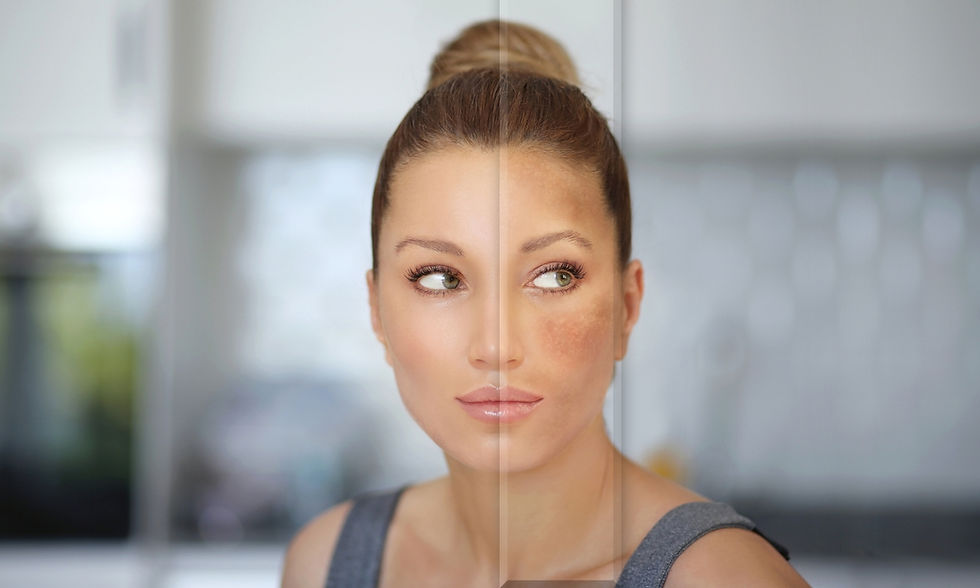
Hyperpigmentation is one of the most common skin concerns, affecting individuals of all ages and skin types. It appears as darkened patches of skin that can form after sun exposure, acne breakouts, hormonal changes, or inflammation. While topical creams and chemical peels can help in some cases, many patients find that results are inconsistent with this type of hyperpigmentation treatment — especially for deeper or stubborn pigmentation. Others may not tolerate certain ingredients, may experience irritation, or may feel discouraged by how long it can take to see meaningful changes.
This is where regenerative approaches such as PLEXR plasma treatment are gaining interest. At Dr. T Aesthetics, our approach is not just about using a device—it’s about using the right technique and pairing it with the right skincare. In particular, many patients benefit from a PLEXR Shower approach followed by carefully selected serums designed to support pigment correction and overall skin recovery.
What Causes Hyperpigmentation?
Hyperpigmentation occurs when excess melanin forms in certain areas of the skin. Melanin is the pigment responsible for skin color, and it is naturally produced in response to UV exposure and inflammation. When the skin is triggered repeatedly—or heals in a way that produces excess pigment—dark patches can persist.
Common triggers include:
Sun exposure (UV damage)
Acne and inflammation
Hormonal changes (such as pregnancy or birth control)
Skin injury or trauma
Certain medications
Types of hyperpigmentation can include:
Post-inflammatory hyperpigmentation (PIH)
Melasma
Sunspots / age spots
Because hyperpigmentation has different causes and depths, a personalized plan is often necessary—especially for patients who are prone to recurrent pigment or who have already tried multiple products without success.

How PLEXR Works for Pigment Correction
PLEXR is a non-invasive plasma technology that delivers controlled energy to the surface of the skin. When performed correctly, it supports a controlled skin-renewal process and helps improve the appearance of uneven tone over time.
A key part of the tailored approach we follow at Dr. T Aesthetics is the PLEXR Shower technique. Rather than treating one spot at a time with a single, stronger plasma point, the PLEXR Shower uses a specialized tip and application method that distributes micro-plasma energy more broadly and gently. This can create very fine “micro-channels” or superficial pathways on the skin surface, which can support improved absorption of targeted skincare serums used for hyperpigmentation.
In practical terms, this means the plan is often two-part:
PLEXR Shower to support gentle resurfacing and tone refinement (with minimal social downtime for many patients)
Targeted serums selected for your pigmentation pattern and skin tolerance, applied as part of a structured regimen to help calm inflammation, support barrier recovery, and reduce the risk of pigment returning
This combination matters because hyperpigmentation is rarely just a “surface problem.” For many patients, controlling inflammation, optimizing skincare tolerance, and maintaining sun protection are just as important as the procedure itself.
Hyperpigmentation Treatment with PLEXR Plasma vs. Other Treatments
Many patients explore several options before considering plasma-based treatments, including topical products, chemical peels, or laser treatments.
PLEXR differs because it can be performed in a highly controlled and customizable way—especially when using the Shower approach—and because it is often paired with a post-treatment skincare strategy that directly targets pigment formation.
PLEXR may be suitable for patients who:
Have localized pigmentation or uneven tone that does not respond well to topicals alone
Prefer a non-invasive option
Want a more targeted approach than broad resurfacing treatments
Are committed to a structured aftercare plan (especially sun protection)
Peer-reviewed studies indexed in PubMed have explored plasma-based technologies in dermatology, including their role in controlled resurfacing and skin renewal. Individual outcomes vary, and the best approach depends on pigment type, skin tone, and trigger patterns. At our clinic, we will explore the best solution for your skin together.

What to Expect During a Hyperpigmentation Treatment session with PLEXR
PLEXR hyperpigmentation treatments are performed in-office and typically follow a clear process:
Skin assessment and consultation
Cleansing and prep
In some cases, topical numbing (depending on technique and sensitivity)
PLEXR Shower application to support gentle resurfacing and tone refinement
Application of selected serums (as appropriate) and detailed home-care instructions
We explain exactly what technique is being used (e.g., Shower vs. focal spot treatment), because expected downtime and aftercare can differ.
The Role of Serums in a Tailored Approach

For hyperpigmentation, what happens after treatment is just as important as the treatment itself. Following the PLEXR Shower, skincare is selected to support calm healing and more even-looking tone.
At Dr. T Aesthetics, Act-O Reverse Serum is applied as part of the in-clinic protocol. Patients are also typically provided with a second serum to use at home, chosen based on skin sensitivity and the type of pigmentation being treated. This take-home product is part of a structured regimen designed to support gradual tone refinement while minimizing irritation.
Because hyperpigmentation can be triggered or worsened by inflammation, consistency matters. Following the recommended aftercare plan—and using daily broad-spectrum sunscreen—is essential for protecting results and reducing recurrence.
Recovery and Healing after PLEXR Shower Hyperpigmentation Treatment
With PLEXR Shower, many patients experience:
Mild redness (often described like a mild sunburn)
Temporary tightness or dryness
Light flaking over several days in some cases
If a more focal or higher-intensity approach is used on specific spots, you may see small superficial crusting. We always clarify which response is expected for your specific plan.
During healing, patients must avoid picking at the skin and follow the aftercare plan precisely. This is especially important for hyperpigmentation-prone skin, where irritation can trigger new pigment.
Sun protection is also critical after treatment. UV exposure is one of the most common reasons pigmentation returns—even after a successful procedure.

How Many Sessions Are Needed?
The number of sessions depends on several factors:
The depth and type of pigmentation (PIH vs. melasma vs. sunspots)
Skin type and sensitivity
Trigger patterns (sun exposure, ongoing acne, hormones)
How consistently aftercare is followed
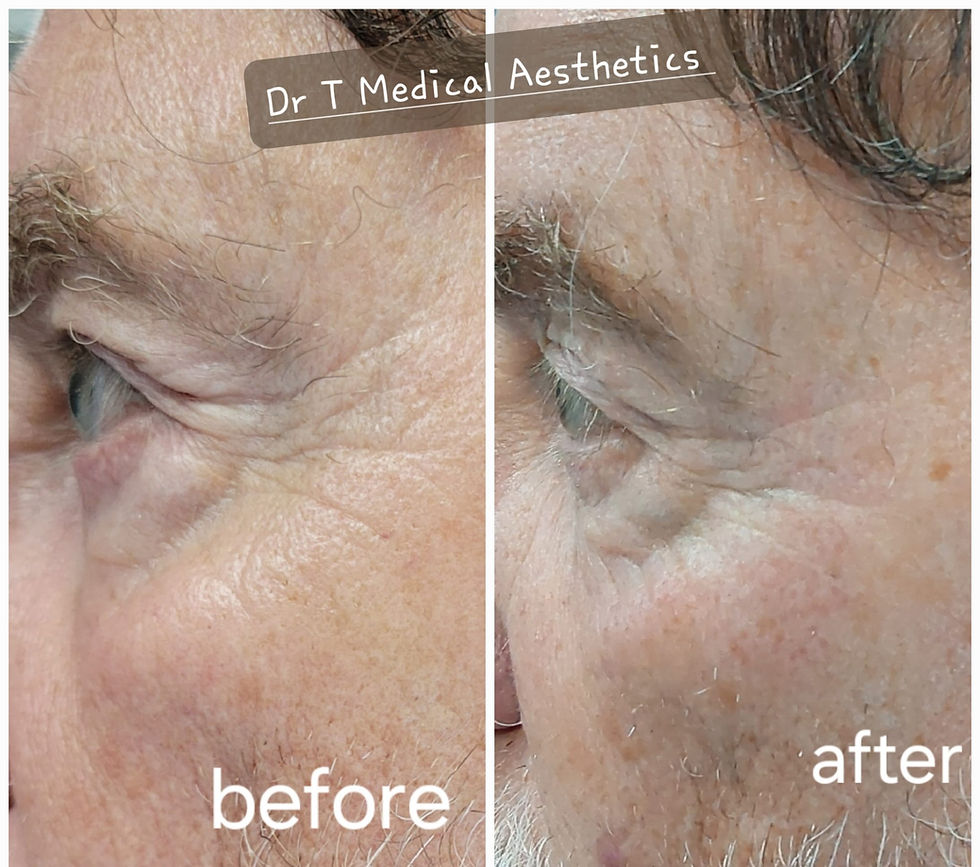
Some patients notice improvement after one treatment, while others may need multiple sessions spaced several weeks apart for gradual, sustainable tone refinement.
Who Is a Good Candidate for PLEXR?
PLEXR may be appropriate for individuals who:
Have mild to moderate pigmentation concerns
Want a non-invasive approach to improving uneven tone
Can commit to strict sun protection and aftercare
Prefer a controlled, regenerative approach rather than aggressive resurfacing
However, not all pigmentation responds the same way. For example, certain forms of melasma may require a broader management plan and careful trigger control. A consultation is essential for appropriate treatment selection.
Safety and Considerations on Hyperpigmentation Treatment with PLEXR
PLEXR is considered low risk when performed by trained professionals. However, like any skin treatment, it has potential considerations, including:
Temporary redness or sensitivity
Risk of post-inflammatory pigmentation changes in pigment-prone skin
The need for careful technique selection and aftercare compliance
This is why the consultation and “tailored approach” matter—especially for patients who have struggled with recurring pigmentation in the past.
Frequently Asked Questions
Is hyperpigmentation treatment with PLEXR safe for all skin types?
PLEXR can be used on many skin types, but patients prone to pigmentation changes require careful assessment and a conservative plan.
How long before I see results?
Many patients notice improvement after healing, with continued refinement over the following weeks.
Can I combine PLEXR with skincare for hyperpigmentation?
Yes—this is often part of the plan. A structured serum routine and daily sunscreen are commonly recommended to support results and reduce recurrence.
Conclusion: A Precision-Based Option for Uneven Skin Tone
Hyperpigmentation can be persistent and frustrating, especially when it doesn’t respond well to topical products alone. PLEXR offers a customizable, non-invasive option—especially when the PLEXR Shower technique is paired with targeted serums designed to support pigment correction and healthy recovery.
At Dr. T Aesthetics in London, ON, we assess your pigmentation type, skin tone, and triggers, then build a plan that includes both the right technique and the right post-treatment skincare strategy. If you want a targeted, regenerative approach to uneven tone, book a consultation to review candidacy, expected downtime, and a tailored aftercare plan.
References
Canadian Dermatology Association – Pigmentation Conditions
American Academy of Dermatology – Hyperpigmentation Overview
PubMed (indexed literature) – Plasma-based technologies in dermatology and skin resurfacing

Comments