
PLEXR Treatment for Scars and Stretch Marks: Supporting Skin Regeneration Without Surgery
When Skin Marks Tell a Story You Didn’t Choose
Scars and stretch marks are a natural part of the body’s healing process, yet they can carry emotional weight for many people. Whether they result from surgery, injury, acne, pregnancy, or rapid weight changes, these marks often serve as visible reminders of experiences individuals may not feel comfortable sharing.
While some people accept scars and stretch marks as part of their story, others seek ways to soften their appearance and improve skin texture. Advances in non-surgical technology have expanded treatment options, making it possible to address these concerns without invasive procedures. One such option is PLEXR treatment for scars and stretch marks, a plasma-based treatment designed to support skin regeneration in a controlled, targeted way.
Understanding Scars and Stretch Marks
Scars form when the skin repairs itself after injury or inflammation. During healing, collagen fibers are laid down to close the wound. Depending on how this process unfolds, scars may appear raised, depressed, firm, or discolored.
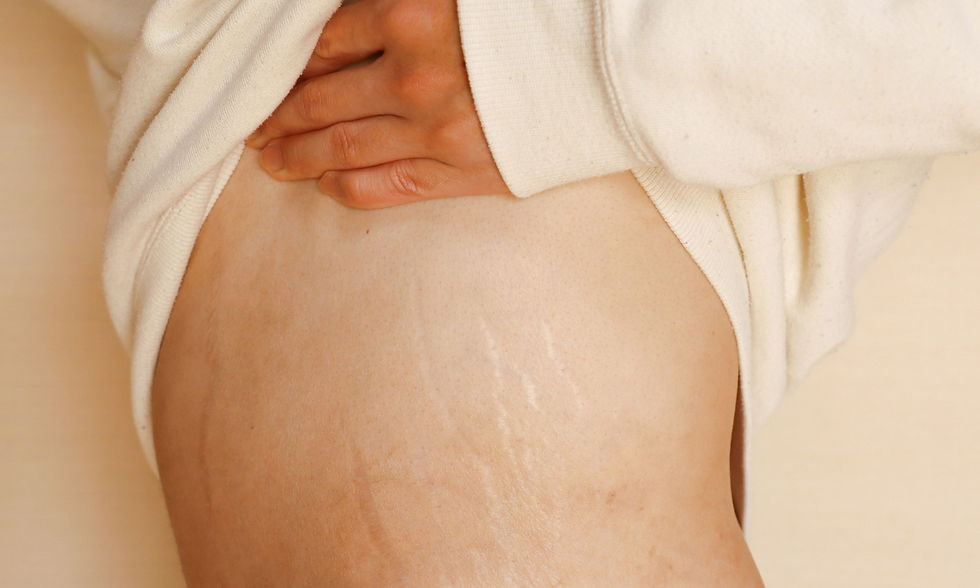
Stretch marks, on the other hand, develop when the skin stretches faster than it can adapt. This rapid stretching disrupts collagen and elastin fibers, leading to linear marks that may appear red, purple, or white over time. Common causes include pregnancy, growth spurts, hormonal changes, and significant weight fluctuations.
Both scars and stretch marks represent changes in the skin’s deeper structure, which is why topical treatments alone often have limited effect.

Why Scar Type Matters
Not all scars respond the same way to treatment. Atrophic acne scars (pitted/indented) often require a different approach than hypertrophic scars (raised/thickened) or surgical scars, and stretch marks (striae) behave differently again because they form deeper in the dermis. This is why a consultation focuses on scar type, depth, and location before recommending PLEXR or an alternative resurfacing plan.
Why Scars and Stretch Marks Can Be Difficult to Improve
One of the challenges in treating scars and stretch marks is that they are not surface-level issues. The underlying collagen framework has been altered, meaning that improvement requires stimulation of deeper skin regeneration.
Additionally, aggressive treatments can sometimes worsen texture or pigmentation, particularly in sensitive skin types. This is why many patients seek non-surgical skin resurfacing options that promote controlled healing rather than aggressive removal.
Understanding these limitations is important when setting realistic expectations for any treatment approach.
What Is PLEXR Plasma and How Does It Work?
PLEXR is a plasma-based medical device that delivers controlled plasma energy to the skin’s surface. Plasma is created when a small electrical charge interacts with gases in the air, producing a precise micro-arc.
Unlike lasers or surgical resurfacing techniques, PLEXR plasma regeneration does not rely on deep heat penetration. Instead, it creates controlled micro-injuries at the surface, triggering the body’s natural repair mechanisms while preserving surrounding tissue.
This precision makes PLEXR particularly useful for localized concerns such as scars and stretch marks.
How PLEXR for Scars and Stretch Marks Supports Skin Renewal

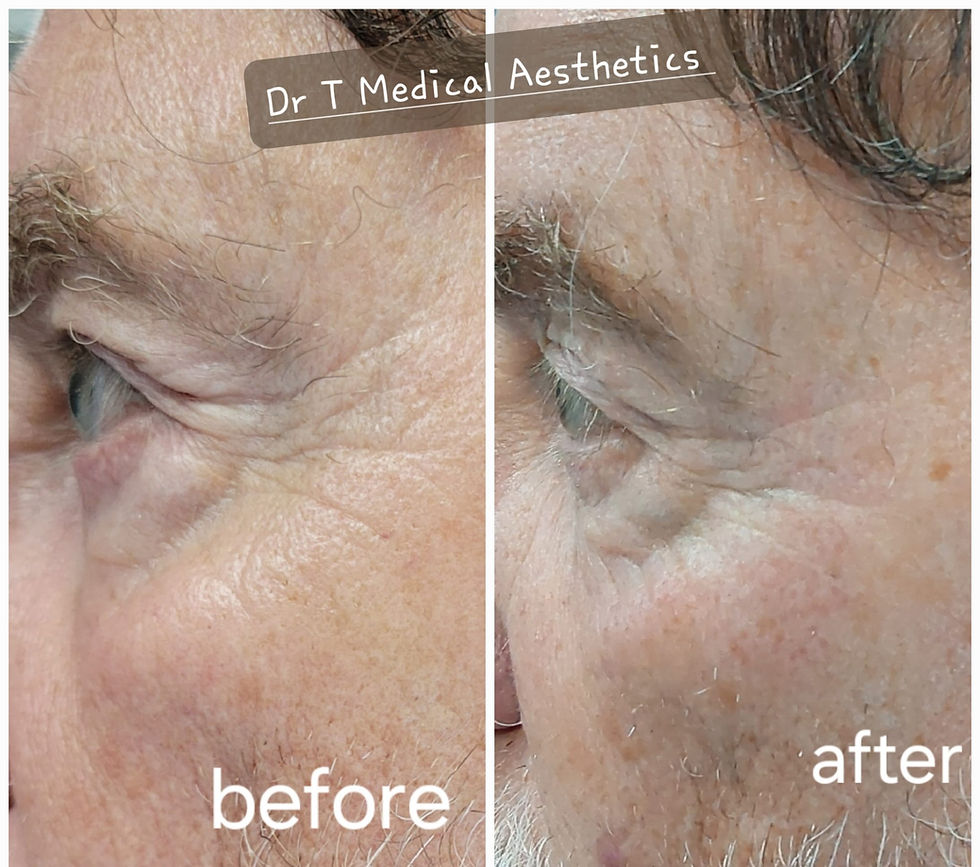
When used as PLEXR treatment for scars and stretch marks, the treatment focuses on stimulating collagen remodeling in affected areas. The plasma energy supports collagen remodeling in the treated area while encouraging the formation of new, healthier skin.
As healing progresses, the skin gradually becomes smoother and more even in texture. While scars and stretch marks are not erased entirely, their appearance can be significantly improved over time.
Peer-reviewed studies indexed in PubMed supports the role of plasma-based technologies in skin regeneration and remodeling, particularly for controlled resurfacing applications.
What a PLEXR Treatment Session Typically Involves
PLEXR treatment is performed in a clinical setting following a detailed consultation. Skin type, scar characteristics, and treatment goals are carefully assessed.
During the procedure:
• A topical numbing agent is applied for comfort
• The PLEXR device is used to treat targeted areas
• Treatment is precise and localized
Sessions vary in length depending on the size and number of areas treated. Most patients tolerate the procedure well.

Healing, Downtime, and Aftercare
After treatment, small superficial crusts or dots may form over treated areas. This is a normal part of the healing process and should not be picked or disturbed.
Downtime is generally limited, but healing time varies depending on the treatment area and depth. Over the following weeks, new skin forms, and texture gradually improves.
Sun protection and proper aftercare are essential to support healing and minimize the risk of pigmentation changes.
Who May Be a Good Candidate for PLEXR Scar and Stretch Mark Treatment?
PLEXR may be suitable for individuals who:
• Have visible scars or stretch marks they wish to improve
• Prefer non-surgical treatment options
• Have realistic expectations about gradual improvement
• Are willing to follow aftercare instructions
A consultation is necessary to determine whether PLEXR is appropriate and to design a personalized treatment plan.

Important Limitations and Setting Realistic Expectations
It is important to understand that PLEXR treatment for scars and stretch marks does not remove marks completely. Improvement is gradual and varies based on scar type, age, skin quality, and individual healing response.
Some patients may benefit from multiple sessions or combination treatments. Clear communication and expectation-setting are essential parts of responsible care.
PLEXR Compared to Other Scar and Stretch Mark Treatments
Patients often compare PLEXR to other options, such as:
Laser treatments
Microneedling
Chemical peels
Surgical scar revision
PLEXR offers a middle ground: targeted regeneration without deep thermal damage or surgical intervention. This makes it appealing for patients seeking improvement with minimal disruption.
When to Consider PLEXR Instead of More Aggressive Treatments
PLEXR may be an appropriate option for patients who want improvement without the risks or downtime associated with surgery or deep resurfacing. It can be particularly helpful for localized scars or stretch marks where precision matters.
A professional assessment helps determine whether PLEXR alone is sufficient or whether it should be combined with other modalities for optimal results.
Frequently Asked Questions
How long does it take to see results from PLEXR treatment?
Initial healing occurs within days, but visible improvement develops gradually over several weeks to months.
Is PLEXR treatment painful?
Topical numbing is used, and most patients report minimal discomfort.
How many sessions are usually needed?
Some patients see improvement after one session, while others may require multiple treatments.
Can PLEXR treat old scars and stretch marks?
Older scars and stretch marks can often be improved, though results may be more gradual.
Is PLEXR safe for all skin types?
PLEXR can be used on various skin types, but careful assessment is essential to minimize pigmentation risks.
Can PLEXR be combined with other treatments?
In some cases, combination approaches may be recommended to enhance results.
Conclusion: A Regenerative Option for Improving Skin Texture
Scars and stretch marks can affect how people feel in their skin, but effective non-surgical options are available. PLEXR treatment for scars and stretch marks offers a regenerative approach that supports collagen remodeling and gradual skin renewal.
At Dr. T Aesthetics in London, ON, we provide individualized treatment planning based on scar type, skin tone, and the area being treated. If you’re looking to improve the appearance of scars or stretch marks without surgery, book a consultation at Dr. T Aesthetics to assess scar type, skin tone considerations, and treatment plan options.
References
American Academy of Dermatology – Scar Management
Canadian Dermatology Association – Skin Healing and Scarring
PubMed (indexed literature): Plasma-Based Skin Regeneration and Remodeling

Comments